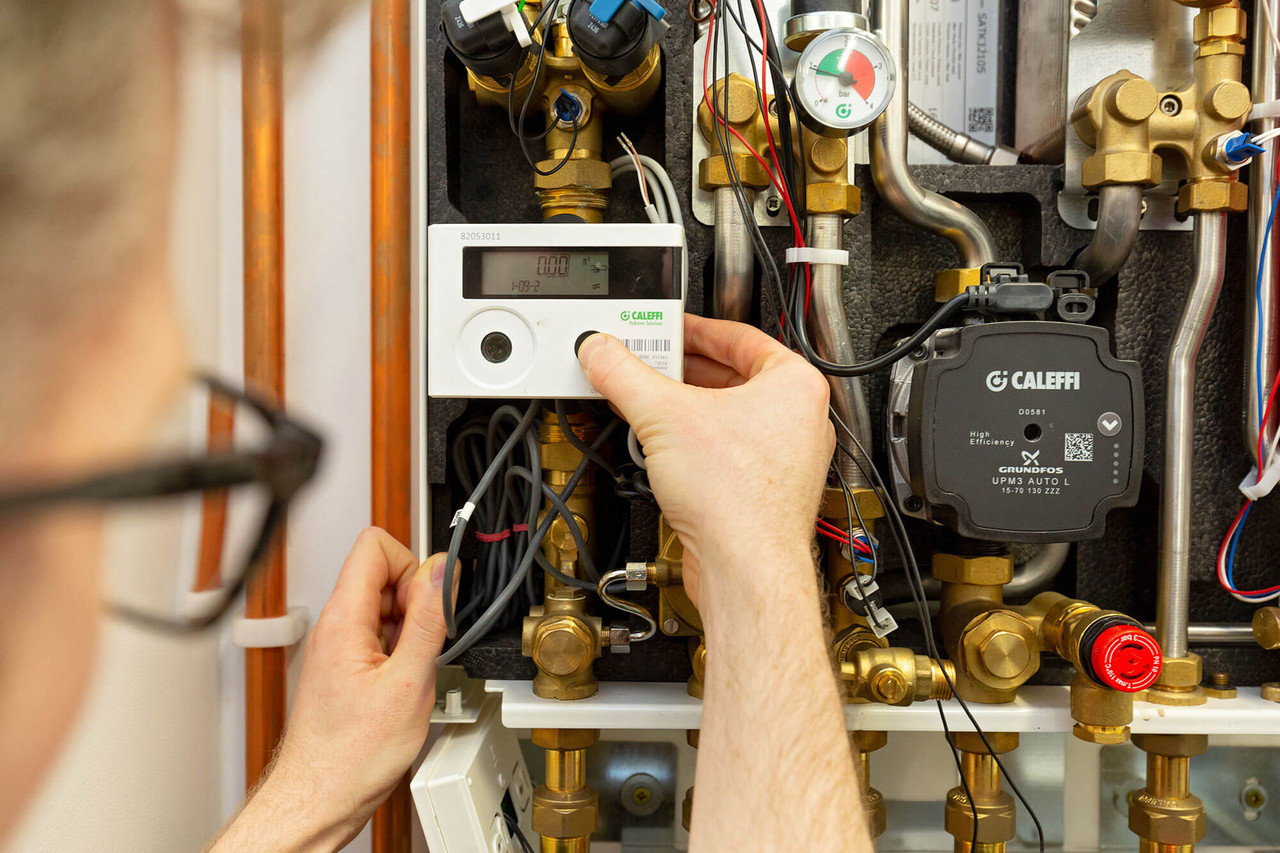
Understanding HIU Repairs
HIU repairs typically consist of fixing specific components of the unit, such as control valves, sensors, or the main unit core. On the surface, repairs can seem like the cheaper option. They often require less upfront investment compared to a full replacement and can minimise downtime. However, repeated repairs can become expensive, leading to higher long-term expenses. Constant HIU issues can also disrupt heating and hot water supply, potentially resulting in additional costs or dissatisfaction.Benefits of Replacing Your HIU
Replacing an old or failing HIU may involve a larger upfront expense, but it offers several advantages that reduce future costs. Modern HIUs are designed for efficiency and often come with improved controls, saving on utility bills. A new unit also typically is guaranteed, reducing future expenses for up to five years. For older buildings, replacement prevents potential fines, which can prevent fines or regulatory issues.If you are considering a professional service, exploring HIU installation can be a smart choice for long-term efficiency and reliability.
Repair vs Replacement Costs
While partial maintenance can be cheaper in the short term, frequent fixes, downtime, and higher energy use can make them less economical. A well-planned HIU replacement offers financial clarity, enhanced reliability, and lower utility bills, which collectively benefit property owners. Property managers should assess unit lifespan, malfunction rate, and efficiency gains to choose the best option.Making the Right Decision
Deciding on repair vs replacement requires a detailed evaluation of both immediate and future costs. Seeking expert advice can guide decision-making that balances efficiency, stability, and financial planning.For expert HIU replacement and installation services in London, deal with LHE London. Their experienced technicians guarantee proper setup, consistent heating supply, and long-term savings for residential and commercial properties.